


UN Grants Bangladesh 3 More Years Before LDC Graduation: What It Means
Bangladeshi Talents · 30 October 2026 · 3 min read
The UN General Assembly has given Bangladesh three more years to prepare for leaving the Least Developed Country (LDC) category, acting on what The Business Standard describes as a proposal introduced by Uruguay on Bangladesh's behalf at the 81st session chaired by UNGA President Khalilur Rahman. The resolution was adopted at a plenary session on 29 October 2026 (New York time) and moves the graduation date from 24 November 2026 to 24 November 2029. Nepal received the same extension.
The government asked the UN Committee for Development Policy for the delay on 18 February, citing volatile global trade, geopolitical tension, energy and supply-chain risks, and weaknesses at home. The committee backed the request, and on 21 July ECOSOC recommended that the General Assembly take a decision. Under the resolution, Bangladesh must keep implementing its Smooth Transition Strategy and report progress to the Committee for Development Policy every year.
Why it matters for professionals and businesses
LDC status gives Bangladeshi goods duty-free or preferential access to major markets such as the EU, UK, Canada and Japan. A UN report cited by The Daily Star estimates that nearly 75 percent of exports depend on LDC-specific preferences, and UNCTAD has projected export-earnings losses of more than $17.5 billion a year after graduation. A separate 2025 UNCTAD analysis, reported by The Business Standard, put the possible fall in total exports at around 32 percent if the relevant trade preferences are lost. These are scenarios, not forecasts. For people working in RMG, textiles, pharmaceuticals, logistics and export finance, the delay lowers the near-term risk to orders and jobs.
Business groups welcomed the decision but were cautious about what comes next. BGMEA President Mahmud Hasan Khan told The Business Standard the UN decision was good news for the export sector, but that Bangladesh must use the extended period to improve infrastructure and logistics and pursue free trade agreements, especially with the EU. CPD distinguished fellow Fahmida Khatun told The Business Standard that extending the transition period alone will not make the economy more competitive, saying "effective reforms are needed in trade, revenue collection, banking and infrastructure"; RAPID chairman Mohammad Abdur Razzaque made a similar point to The Daily Star. They pointed to controlling inflation, reforming banking and revenue, and diversifying exports into pharma, leather, agro-processing, light engineering and IT.
What to watch next
- Progress on a trade agreement with the EU, Bangladesh's largest export market
- Whether the EU and other partners formally extend their own transition periods to match
- An updated Smooth Transition Strategy and the first annual progress report to the UN
- Export incentives for non-RMG sectors while LDC subsidy flexibilities still apply
Sources
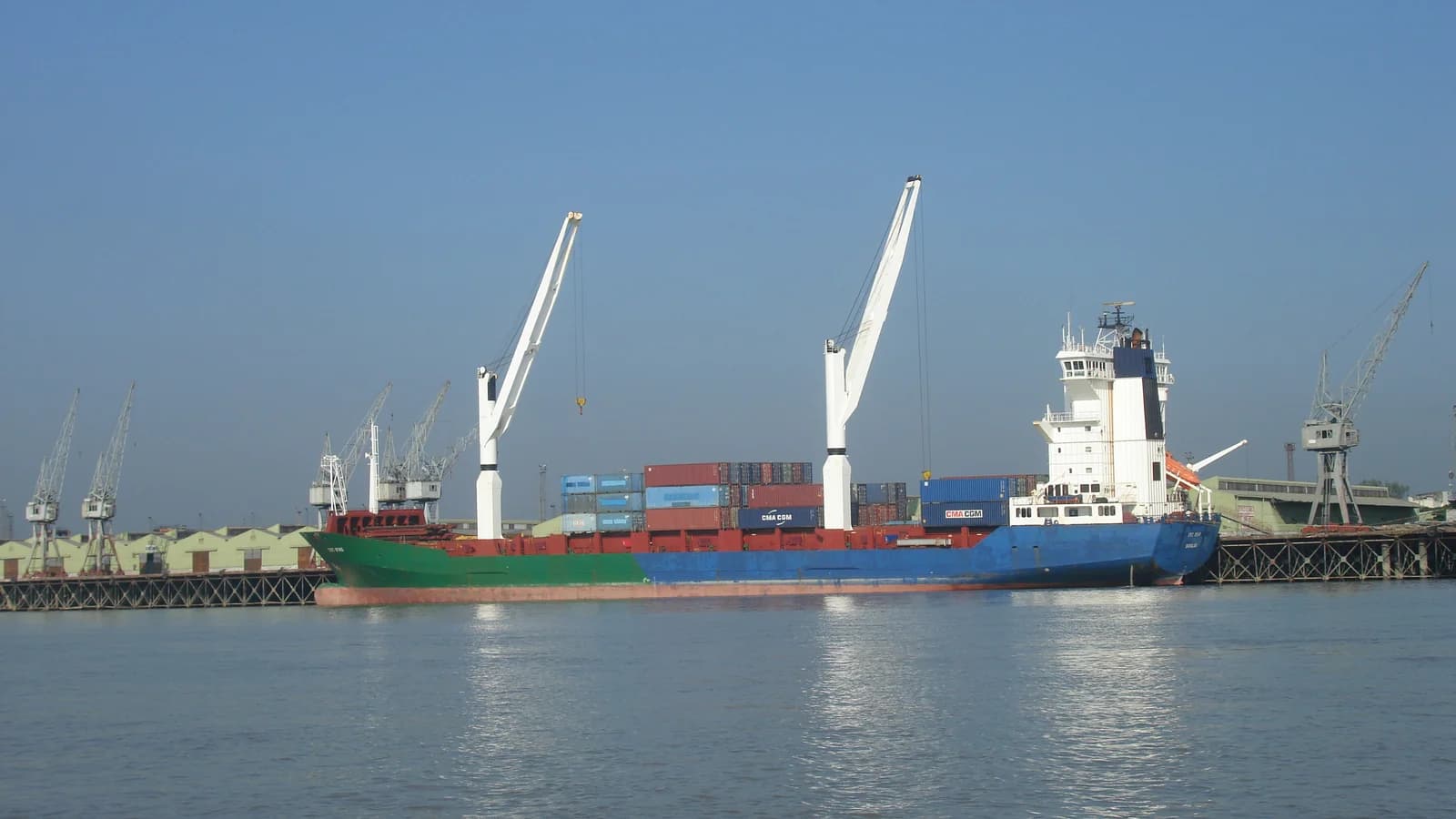
Cover photo: Port of Chittagong by Tazmeem / Wikimedia Commons (Public Domain)
